

Medical solution pain proof

For Professionals

Are you a healthcare professional seeking minimally invasive pain treatment solutions to improve the quality of life of your patients or to understand how Pulsed RF can help relieve your patients pain? 

We can help you. We follow PRF developments closely and we will share the knowledge we have. Because we believe that knowledge will help your patients improve their quality of life. 

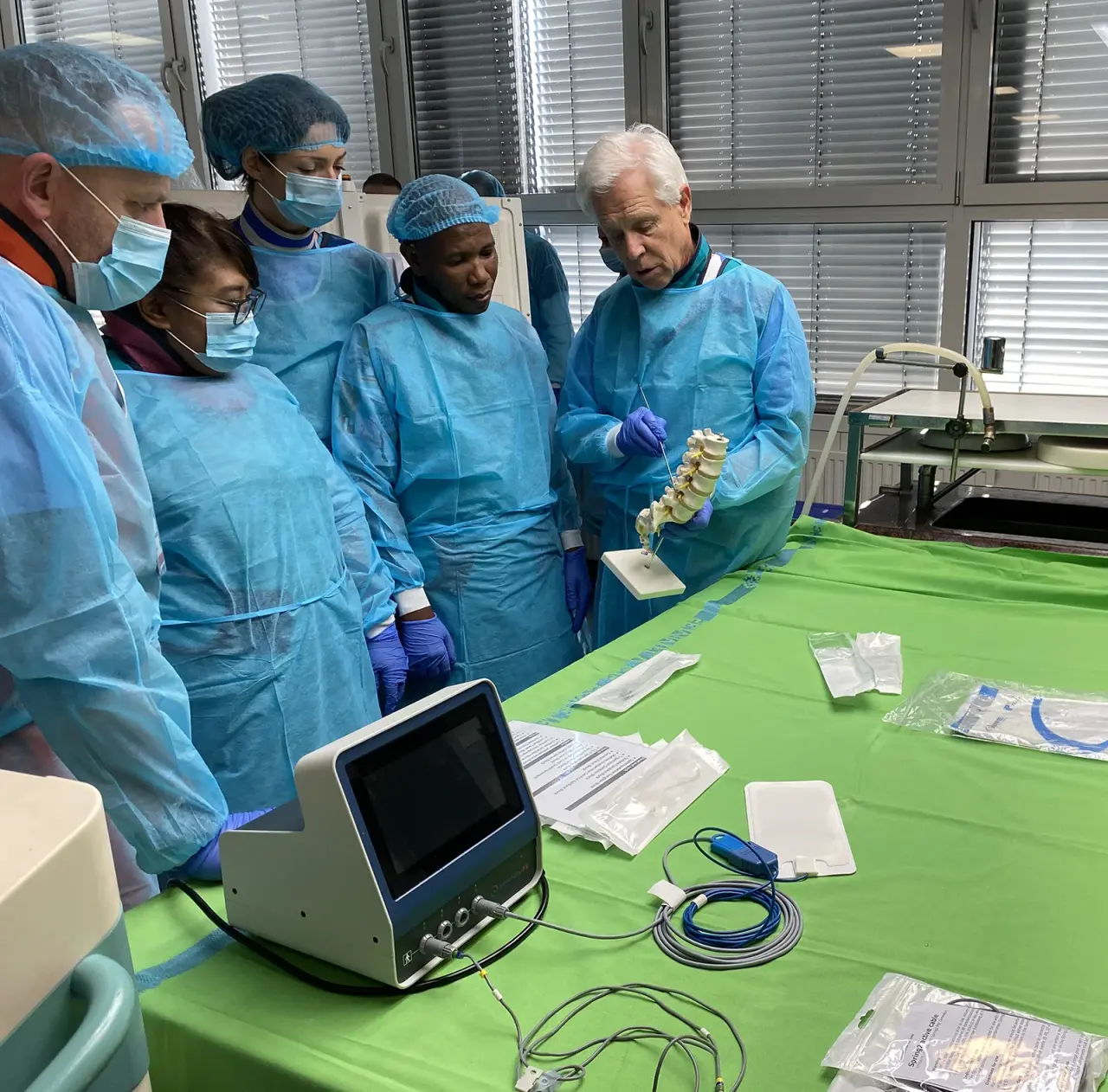
Springlife spring2 demonstration
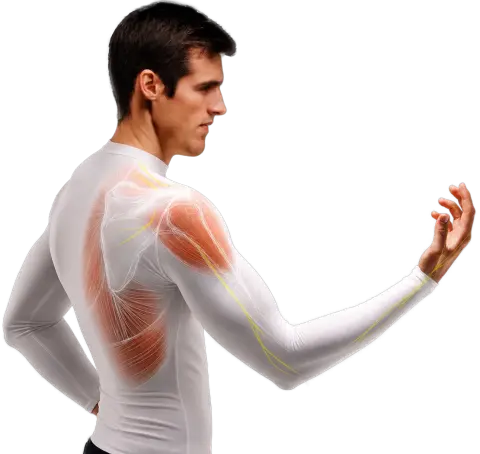
Shoulder pain Springlife medical Rf spring2
Trusted Technology for Pain Specialists

Pulsed Radiofrequency (PRF) is a technique developed in the late 1990s as a safer alternative to conventional continuous radiofrequency ablation. Unlike ablation, which produces thermal destruction of nervous tissue, PRF delivers short, high-frequency electrical pulses while maintaining tissue temperatures below the neurodestructive threshold. This allows modulation of neural activity without creating significant structural damage.

The mode of action is not yet fully understood, but evidence suggests that PRF influences both neuronal excitability and local immune responses. There are strong indications that PRF reduces oxidative stress which reduces inflammation.

Skin electrodes   spring2   springlife medical been
Transcutaneous PRF (TcPRF)

Transcutaneous Pulsed Radiofrequency (TcPRF) is a non-invasive form of Pulsed Radiofrequency therapy in which brief bursts of electromagnetic energy are delivered through the skin via surface electrodes. Unlike invasive PRF, which requires a needle placed near a nerve, TcPRF acts externally — allowing safe, repeatable treatments without tissue penetration.

Mechanism of action

The primary mode of action of TcPRF is the reduction of oxidative stress in the treated area. By generating controlled electromagnetic fields, TcPRF influences cellular redox balance and restores the equilibrium between free radicals and antioxidant defenses. This normalization of the oxidative environment leads to a downregulation of inflammation, improved microcirculation and stabilization of neuronal membranes.

In practical terms, this results in:

  • reduced inflammatory mediator activity
  • normalization of nerve excitability
  • restoration of cellular homeostasis 
Pain knee shoulder help
Invasive PRF

Invasive PRF has been successfully applied in a wide range of pain conditions, including radicular pain, facet joint pain, sacroiliac pain and certain peripheral neuralgias. Clinical studies report meaningful pain relief with a favorable safety profile compared to destructive procedures. Importantly, patients often experience less post-procedural pain and shorter recovery times.

The treatment is performed using fluoroscopic or ultrasound guidance, with needles placed close to the target nerve or tissue. Energy is delivered in short bursts followed by silent phases that allow for heat dissipation. Parameters such as voltage and treatment duration are still being optimized, and ongoing research is working toward consensus on standardized protocols (like the Leiden Consensus).

Scientific knowledge to share
Prf

Occhigrossi F, Mosca J, Varrassi G et al. — Role of Pulsed Radiofrequency on the Immunological System in Chronic Pain Patients: A Narrative Review

This is the most recent paper in the collection — published in 2026 — and provides a comprehensive narrative review of PRF's immunological mechanisms, synthesizing 12 key studies selected from an initial pool of 126 articles. It is notable for being published in an immunology journal, reflecting PRF's expanding identity beyond pain medicine.

Prf

Yuba T, Koyama Y et al. — Elucidation of the Treatment Mechanism of Pulsed Radiofrequency Based on its Antiinflammatory Effects

This Osaka University mouse study used a monoiodoacetic acid (MIA)-induced knee pain model to trace the precise mechanism behind PRF's anti-inflammatory effects. PRF was applied to the sciatic nerve — distant from the joint — and outcomes were assessed behaviorally, histologically, and biochemically.

Prf

Jorge DdMF, Rohof O et al. — A Transcutaneous Randomized Pulsed Radiofrequency Application for Spine Pain Conditions: A Case Series

This Brazilian-Dutch case series reports three patients treated with transcutaneous STP (Sluijter-Teixeira-Poisson) pulsed radiofrequency for spinal conditions — all of whom had failed conservative therapy and were unwilling or unable to undergo invasive procedures. Treatment was delivered via adhesive skin patches using a Spring2 generator, with three sessions per patient.

Prf

Janssens P et al. — Transcutaneous Pulsed Radiofrequency Treatment in Patients with Osteoarthritis of the Upper Extremity

This Dutch retrospective study from Amphia Hospital (Breda, The Netherlands) is the first to examine TcPRF specifically for upper extremity OA. Thirty-seven patients with shoulder, elbow, or hand/wrist OA — the majority having experienced pain for over a year — received a single 15-minute TcPRF treatment using a Springlife Medical device (Spring2), with follow-up at 1, 2, and 6 weeks.

Prf

Sluijter ME et al. — The Anti-Inflammatory Action of Pulsed Radiofrequency — A Hypothesis and Potential Applications

This paper — published posthumously in memory of Menno Sluijter, PRF's inventor — presents a comprehensive theoretical framework for understanding how PRF exerts systemic anti-inflammatory effects, and introduces the term RedoxPRF for this application.

Prf

Tanabe K et al. — Changes in the Gene Expression in Mouse Astrocytes Induced by Pulsed Radiofrequency: A Preliminary Study

This Japanese in vitro study examined how PRF affects gene expression in astrocytes — the glial cells that play a central role in neuroinflammation and neuropathic pain. Mouse astrocyte cell lines were exposed to PRF (480 kHz, 20 ms pulses, 45V, 30 min) and subsequently analyzed using microarray technology covering over 56,000 probes.

Prf

Jorge DdMF et al. — The Mechanism of Action between Pulsed Radiofrequency and Orthobiologics: Is There a Synergistic Effect?

This Brazilian review paper explores whether combining PRF with orthobiologics — primarily PRP, but also bone marrow aspirate and adipose tissue-derived products — could produce synergistic therapeutic effects beyond what either approach achieves alone.

Prf

Brasil LJ et al. — Effects of Pulsed Radiofrequency on a Standard Model of Muscle Injury in Rats

This Brazilian rat study investigated whether PRF could reduce oxidative stress and inflammation following acute muscle trauma. Twenty-four male Wistar rats were divided into four groups (control, PRF only, trauma only, trauma + PRF), with PRF delivered using a Spring2 device — notably one of the few studies explicitly naming the Spring device in the methods.

Prf

Michno A, Kirkor Z et al. — Pulsed Radiofrequency Neuromodulation Contributes to Activation of Platelet-Rich Plasma in In Vitro Conditions

This in vitro study explored a novel question: can PRF activate platelet-rich plasma (PRP), and could the two therapies be usefully combined? PRP from 11 healthy volunteers was divided into four groups — resting control, thrombin-activated (positive control), PRF-treated, and thrombin + PRF combined — and assessed for markers of platelet activation and cellular safety.

Prf

Taverner M, Loughnan T — Transcutaneous Pulsed Radiofrequency Treatment for Patients with Shoulder Pain Booked for Surgery: A Double-Blind, Randomized Controlled Trial

This Australian double-blind, randomized, placebo-controlled trial is one of the strongest pieces of clinical evidence for TcPRF to date. Fifty-one patients awaiting shoulder surgery were randomized to active (80V) or sham (0V) TcPRF, delivered as a single session at six standardized electrode positions around the shoulder. Assessments were performed at 4 and 12 weeks by a blinded observer.

Prf

Thalis Asimakopoulos · Athanasia Tsaroucha · Martina Rekatsina; Transcutaneous Pulsed Radiofrequency in Chronic Pain: A Systematic Review of Randomized Controlled Trials

This first systematic review of TcPRF in chronic pain synthesized eight RCTs (n = 467) covering musculoskeletal conditions (knee osteoarthritis, shoulder pain, subacromial impingement syndrome, lateral epicondylitis) and neuropathic pain syndromes (carpal tunnel syndrome, diabetic neuropathic pain, chronic migraine). Risk of bias was assessed using the Cochrane RoB 2 tool.

Older women pain shoulder

Safe, Scientific and Effective

Both forms of PRF - transcutaneous and invasive - share a common goal: to reduce pain by restoring balance in the body’s electrical and biochemical systems.

At Springlife, our focus is on TcPRF, the most patient-friendly way to bring these benefits to daily clinical care.

6B7261EA 1D07 4ADA 840F 740911289E21
Especially appealing for patients where nerve ablation carries significant risk

In recent years, transcutaneous PRF (TcPRF) has been developed, enabling non-invasive application through the skin. Early studies suggest promising results, particularly for inflammatory and musculoskeletal pain. This opens new opportunities for treating broader patient populations without procedural risk.

For physicians, PRF offers a tool that bridges the gap between conservative pain management and invasive surgical interventions. Its non-destructive nature makes it especially appealing for patients where nerve ablation carries significant risk. As evidence accumulates, PRF is becoming an increasingly important component of the interventional pain medicine toolbox.

If you wish to receive publications about PRF and TcPRF, please contact us (info@springlife.com)

CERTIFICATIONS

At Springlife, we strive to transform the way pain is treated by combining innovation, safety, and clinical expertise. 

Iso springlife
Bsi springlife
Anvisa springlife
Ce spring2 logo

Stay connected, ask a colleague

Join our WhatsApp group for professionals: Spring Circle

Are you interested in PulsedRF and for example struggling with a case? Join our dedicated WhatsApp group, where professionals can easily connect, share experiences, and ask each other questions — both about using the Spring2 and about patient-related situations.

If you would like to be added to this group, please send an e-mail with your name, the clinic or hospital where you work and your cell phone number. Please note that your number will solely used to add you to the Spring Circle.

Sign Up Now   Spring2 groep
Network-of-Spring2-dealers-partners
Springlife network
Fleur Sluijter

Fleur Sluijter (Founder of Springlife
medical) about the future of PRF

Springlife was founded on a legacy and a vision. My father pioneered Pulsed Radiofrequency (PRF) technology for the treatment of chronic pain, and since childhood I have seen how innovation in medicine can change lives. Today, chronic pain remains one of the greatest health challenges worldwide, and I believe the future lies in treatments that are minimally invasive, patient-friendly, and scientifically sound. With Springlife, I am determined to bring my father’s knowledge into the next generation of medical solutions. Our mission is ambitious yet simple: to make PRF part of the standard toolbox of every pain physician around the globe. We envision a world where pain is treated with precision, without unnecessary damage or invasive interventions. Where physicians are empowered with tools that work with the body, not against it. Springlife is more than a company — it is a mission to redefine how chronic pain is treated. And we are only at the beginning of this journey.